In Delta BC, one of the first things we notice when we start a site investigation is how much the soil can change just a few blocks away. The Fraser River delta has left behind layers of silty clay and organic peat that behave completely differently depending on moisture content. That is why Atterberg limits are such a critical part of any geotechnical study here. By measuring the liquid limit, plastic limit, and plasticity index, we get a clear picture of how the soil will respond to changes in water — something every engineer in this region needs to plan for. Combine that with a classification of soils to fully understand the material behavior.
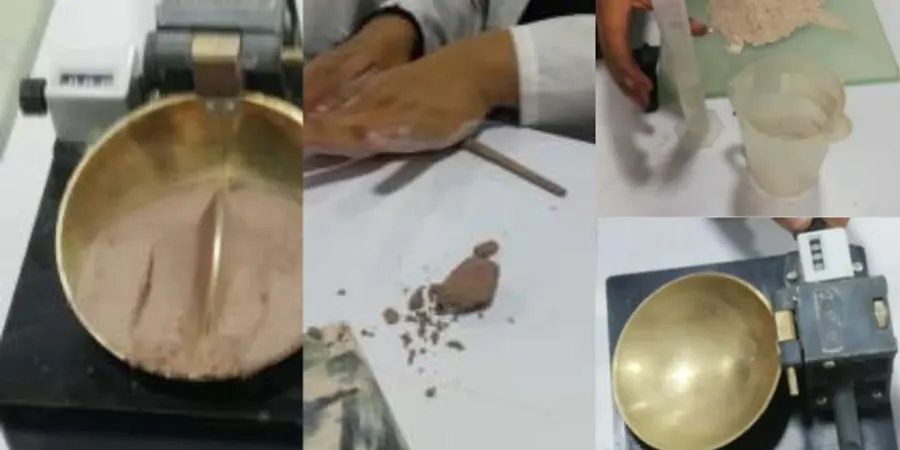
A plasticity index above 30% in Delta clays signals high shrink-swell potential — ignoring it leads to cracked foundations and misaligned structures.
Methodology applied in Delta BC
- Liquid limit often ranges from 35% to 65% for local clays
- Plasticity index can exceed 30% in high-plasticity zones
- Organic silt and peat show very high natural moisture content
Local geotechnical conditions in Delta BC
The difference between a site near Burns Bog and one closer to Ladner Trunk Road can be dramatic. In the bog areas, organic soils with extremely high plasticity dominate, so a small increase in water can turn the ground into a plastic mass. Meanwhile, sites near the Tsawwassen ferry terminal often have denser glacial till with low plasticity, which behaves more predictably. If you build on high-plasticity clay without proper Atterberg limits data, you risk differential settlement that cracks foundations and shifts floor slabs. The NBCC 2020 requires these values for seismic site classification, so skipping this test is not an option.
Our services
We offer targeted testing services that go beyond just measuring the liquid and plastic limits. Our lab work integrates directly with structural and geotechnical design.
Index Property Testing for Construction
Full Atterberg limits suite plus natural moisture content and unit weight. We run the tests in our accredited lab and deliver results within 48 hours for most Delta BC projects.
Plasticity Assessment for Slope & Foundation Design
We correlate plasticity index with shear strength parameters and consolidation behavior. This helps engineers decide on foundation type and depth for Delta BC's variable soil profile.
Frequently asked questions
Why are Atterberg limits important for construction in Delta BC?
Delta BC has thick deposits of soft, high-plasticity clay and organic peat. The Atterberg limits tell you exactly how much the soil will swell or shrink with moisture changes. Without this data, foundations can crack and roads can heave.
How much does Atterberg limits testing cost in Delta BC?
Typical pricing for a full Atterberg limits test (liquid limit, plastic limit, plasticity index) ranges from CA$80 to CA$150 per sample. Volume discounts are available for multiple samples from the same project, and we can provide a firm quote after reviewing your site plan.
What is the difference between liquid limit and plastic limit?
The liquid limit is the moisture content at which soil changes from a plastic to a liquid state. The plastic limit is the point where soil becomes too dry to be rolled into a 3 mm thread. The difference between them is the plasticity index — a key indicator of soil behavior.
Do I need Atterberg limits for every site in Delta BC?
Not every site, but any project involving foundations, road subgrades, or earthworks in the floodplain should include them. Local municipalities often require this data for building permits, especially in zones with known soft clays or peat.
How long does the Atterberg limits test take?
The test itself takes about 24 to 48 hours from sample preparation to final result, depending on the number of points needed to define the flow curve. We prioritize local projects and can usually deliver results within two business days.