A residential development on River Road in Delta BC encountered soft Fraser River deltaic silts and clays exceeding 30 meters in depth. Standard penetration resistance was too low for reliable modulus estimates. We deployed the Flat Dilatometer Test (DMT) to obtain continuous profiles of lateral stress index, dilatometer modulus, and material index. The DMT data allowed the structural engineer to refine foundation type and estimate immediate settlements with confidence. This test is especially valuable in Delta BC due to the region's thick post-glacial deposits and high water table. Combining DMT readings with a seismic tomography survey helps correlate shear wave velocity with deformation parameters for dynamic analysis.
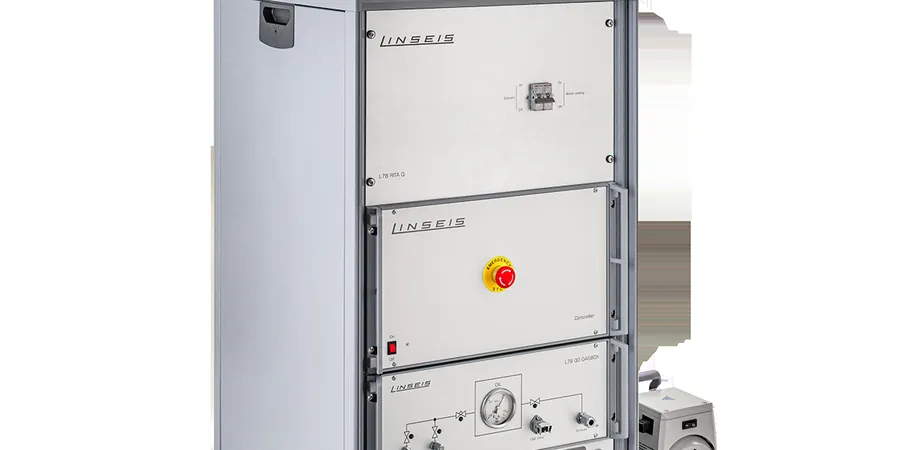
In Delta BC's soft deltaic soils, the DMT provides the only reliable in-situ estimate of lateral stress and constrained modulus below 5 meters.
Methodology applied in Delta BC
Local geotechnical conditions in Delta BC
Delta BC sits on the Fraser River delta, a Holocene sedimentary wedge with up to 300 meters of unconsolidated sediments. Urban development since the 1950s has placed fill over soft estuarine clays and peat layers. These deposits are highly compressible and prone to large consolidation settlements under even moderate loads. Without DMT profiling, the lateral stress history and constrained modulus remain unknown, leading to overestimated bearing capacity or underestimated long-term settlement. The flat dilatometer test identifies preconsolidation pressure and overconsolidation ratio directly, reducing the risk of differential settlement in Delta BC's subdivisions and infrastructure corridors.
Our services
We offer two complementary DMT-based services tailored to Delta BC's soil conditions:
Standard DMT Sounding
Continuous profiling at 0.2 m intervals to depths of 40 m. Includes data reduction for Id, Kd, Ed, and estimation of OCR, Ko, and constrained modulus. Suitable for residential, commercial, and bridge foundations.
DMT with Seismic Module (S-DMT)
Adds shear wave velocity measurement at 1 m intervals using a geophone embedded in the blade. Provides G0 (small-strain shear modulus) for dynamic site response analysis. Recommended for schools and critical infrastructure in Delta BC.
Frequently asked questions
How deep can the DMT reach in Delta BC soils?
In Delta BC's soft deltaic clays and silts, the DMT typically reaches 30 to 40 meters before refusal. Thicker sand layers near the river mouth may stop the blade earlier, but the test still provides valuable data above the refusal depth.
How does DMT compare to CPT for soft soils?
Both tests are excellent in soft soils. The DMT measures lateral stress and constrained modulus directly, which are critical for settlement analysis. The CPT gives higher-resolution sleeve friction and pore pressure but requires empirical correlations for modulus. In Delta BC, DMT is preferred for projects where consolidation behavior governs design.
What is the typical turnaround time for DMT results?
Raw field data is available within 24 hours. A full interpreted report with profiles of Id, Kd, Ed, OCR, and Ko is delivered within 5 to 7 business days for standard soundings. S-DMT reports including vs30/" data-interlink="1">shear wave velocity take 7 to 10 days.
How much does a DMT test in Delta BC cost?
A standard DMT sounding to 30 meters in Delta BC ranges from CA$1.300 to CA$1.480, inclusive of mobilization, field work, and a full interpreted report. Seismic module and deeper soundings add to the cost; please request a project-specific quote.