Delta BC sits on the Fraser River delta, a broad floodplain with up to 300 meters of Holocene sediments. These soft silts and clays pose unique challenges for foundation design. A soil mechanics study in Delta BC is the only reliable way to characterize soil strength, consolidation behavior, and liquefaction potential before construction begins. Without it, unexpected settlements and bearing failures become real risks. Our team has completed dozens of investigations across the municipality, from Annacis Island to Boundary Bay. Each study follows a systematic process of drilling, sampling, and lab testing to deliver the parameters engineers need for safe design. The soft ground here demands careful planning — and that starts with a thorough soil mechanics study.
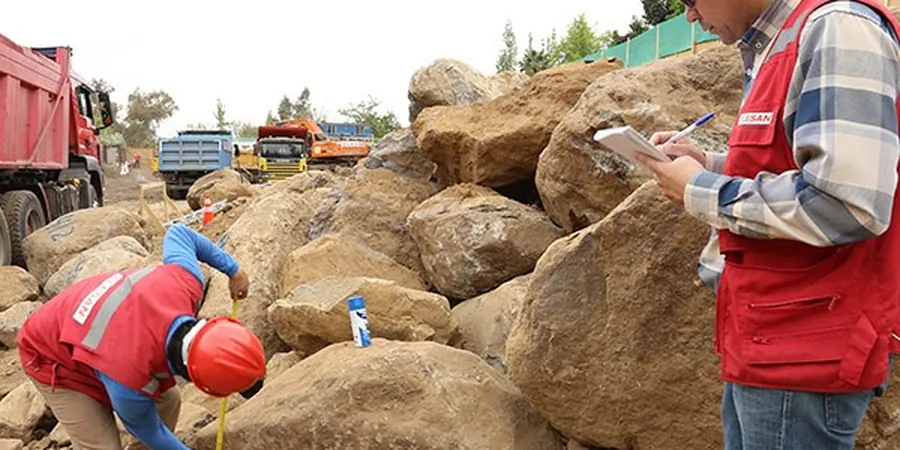
The Fraser River delta’s soft clay crust can mask deeper, weaker layers — only a properly executed soil mechanics study reveals the true subsurface profile.
Methodology applied in Delta BC
- Boreholes with SPT testing (CSA A23.2-9A / CSA A23.2-9A / CSA A23.2-9A / CSA A23.2-9A / CSA A23.2-9A / ASTM D1586)
- Undisturbed tube sampling for consolidation tests
- Groundwater monitoring well installation
- Laboratory triaxial and direct shear tests
- Particle size analysis (ASTM D6913)
Local geotechnical conditions in Delta BC
Delta BC’s urban growth expanded rapidly after the 1960s, pushing development onto marginal floodplain land. Many subdivisions in North Delta and Ladner were built without deep geotechnical investigation. Today, homeowners and developers face settlement cracks, tilted foundations, and drainage issues that trace back to insufficient soil mechanics study at the design stage. The main risk is differential settlement: organic layers compress unevenly under load, cracking slabs and framing. Liquefaction during a seismic event is another real concern — the Fraser delta’s sand lenses can lose strength under shaking. A modern soil mechanics study identifies these hazards early and prescribes mitigation measures like deep foundations or ground improvement.
Our services
We offer two core services tailored to Delta BC’s soil conditions:
Geotechnical Site Investigation
Drilling, soil sampling, and field testing (SPT, CPT, vane shear) to characterize subsurface stratigraphy and groundwater conditions. Includes lab testing for strength, consolidation, and classification.
Foundation & Settlement Analysis
Calculation of bearing capacity and settlement estimates using soil parameters from the study. We provide recommendations for shallow or deep foundations, including pile design and ground improvement options.
Frequently asked questions
How long does a soil mechanics study take in Delta BC?
A standard study for a single-family lot takes 1–2 weeks for field drilling and lab testing. Larger commercial sites with multiple boreholes can take 3–4 weeks. Timelines depend on access, weather, and laboratory workload.
What is the cost of a soil mechanics study in Delta BC?
The typical range is CA$4.220 to CA$6.380 for a residential study with 2 boreholes, basic lab tests, and a foundation report. Commercial or deep-foundation studies cost more due to additional drilling depth and advanced testing.
Do I need a soil mechanics study for a renovation or addition?
Yes, if the addition changes the foundation load or footprint. Delta BC’s soft soils mean even modest additions can trigger differential settlement. A study confirms whether the existing foundation can support the new loads or if underpinning is required.